Termite Treatment for Older University Park Homes
Request a termite estimate
Soccervoting Pest Control is a referral service. We connect homeowners in University Park, IL and the University Park area with independent providers who handle termite treatment. The providers do the inspection and the work. Soccervoting Pest Control simply makes the first step easier.
Older houses need extra care. Aging wood, past repairs and damp basements can hide termite activity for years. This page lists the signs to check, the treatment options and the steps that usually follow. Read it first. Then request an estimate, compare what providers offer, and decide at your own pace. There is no obligation to hire anyone.
Think You Have Termites? Start Here
First, identify it. Do not spray the area or pull out the damaged wood. Sprays can scatter insects and make them harder to trace. Use this short list instead.
- First: note what you saw, such as mud tubes, wings or soft wood.
- Next: take clear photos. Place a coin next to the damage for scale.
- Then: request an estimate for an inspection.
Why Termites Need Prompt Attention
Termites eat wood from the inside. A beam can look fine on the surface while it slowly weakens. A small problem is usually simpler to treat than a spread-out one. Repairs also grow more costly the longer activity continues. Even if you are unsure, an inspection is a sensible step.
Know the Warning Signs
Signs You Can See
- Mud tubes about the width of a pencil on foundation walls
- Small discarded wings near windows, doors or lights
- Paint that bubbles or peels for no clear reason
- Wood that sounds hollow when you tap it
- Tiny pellets that look like sawdust or coffee grounds
Signs You Can Feel or Hear
- Doors and windows that suddenly stick
- Floors that feel soft or spongy
- Faint clicking inside a wall
Check the Old Spots
Older houses hide more than newer ones. Check these places first:
- Sill plates and rim joists in the basement
- Crawl spaces and the area under porches
- Wood that touches soil, such as steps, posts and lattice
- Spots around old plumbing lines
- Past repair patches, additions and remodeled rooms
Why Older Homes Are Different
Frame houses from many decades often have untreated lumber and small gaps in the foundation. Deep winter frost can crack concrete. Spring flooding and wet sump pump areas keep soil damp. Hot, humid summers keep insects active. Damp wood draws termites, so moisture matters as much as the insects.
Past repairs matter too. Paneling, added trim and finished basement walls can cover damage. A provider may need to open a small section to see it. Ask what will be opened and who will close it up.
Types of Termites
The type affects the plan. A provider will confirm which one you have.
Subterranean Termites
These live in soil and travel through mud tubes. They are the most common type in homes.
Drywood Termites
These live inside dry wood and leave small pellets. They are less common in cold regions but can arrive in furniture.
Dampwood Termites
These prefer very wet wood. They often point to a leak or poor drainage.
Know Your Options
Providers usually offer a few approaches. Compare before you commit.
- Liquid soil treatment: a treated zone around the foundation.
- Bait stations: placed in the ground and checked over time.
- Spot treatment: aimed at one small, known area.
- Fumigation: a tented, whole-house method, mostly for drywood.
Ask why a provider picked their method. Ask what it covers and what it does not.
How Termite Treatment Works
- Step 1: inspection of the basement, crawl space, attic and outside walls.
- Step 2: a written findings report and quote.
- Step 3: prep, such as clearing space along walls.
- Step 4: the treatment itself.
- Step 5: a follow-up visit or monitoring plan.
Prep for a Basement Home
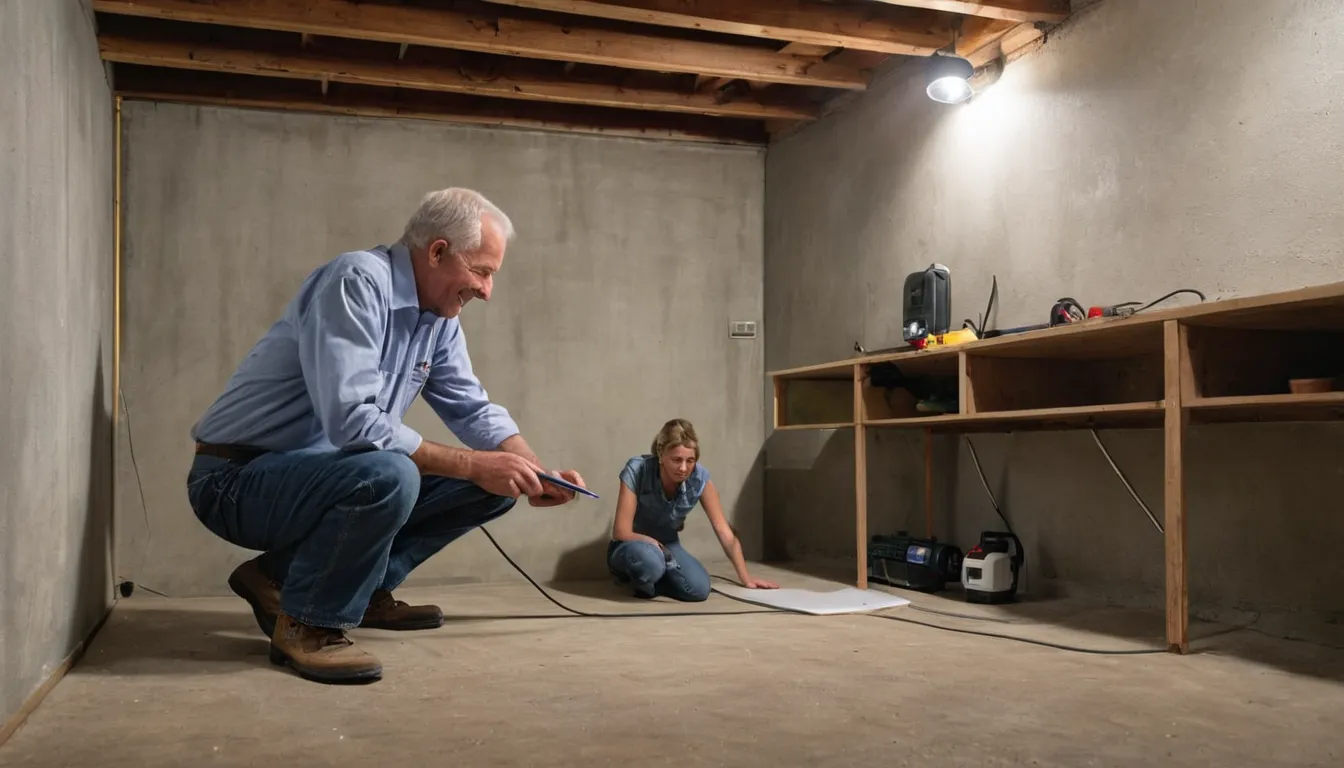
Full basements need extra access. Move stored boxes away from the walls. Clear a path to the sump area and the utility corner. Some methods require drilling small holes in concrete floors or slabs. Ask the provider how they handle this.
Termite Inspections for Home Sales
Buyers and lenders may ask for a termite report. Sellers can order an inspection early to avoid surprises. In an older house, the report may list past damage or old treatment. Read it closely. Ask what is active and what is only history.
Choosing a Termite Provider
Searching "exterminator near me" returns many names. Termite work is a specialty within residential pest control, so check the details.
- Ask for a written quote that lists the method and the area covered.
- Ask to see the provider's state license and proof of insurance.
- Ask what the warranty or renewal terms say, in writing.
- Ask who repairs the wood. Most providers treat the insects but do not rebuild.
Compare Before You Commit
Get at least two estimates when you can. Line them up side by side. Look at the method, the area, the follow-up plan and the renewal fees. A big price gap often means a different scope of work.
After Treatment
Expect some activity to continue for a short time. Do not disturb mud tubes unless the provider says so. Keep your follow-up visit. Fix the cause too, since termites return to damp, wood-rich spots.
- Clean gutters and aim downspouts away from the house.
- Check that the sump pump discharges well away from the foundation.
- Keep firewood and mulch off the foundation wall.
- Repair leaks under sinks and around tubs.
Insurance Notes
Some policies may cover sudden damage. Check your policy. Termite damage is often treated as maintenance, so it may be excluded. Providers can often help document damage for a claim.
Ready for the Next Step?
Request a callback to check provider availability, or use the form to request an estimate.
What's Included
Full Inspection
A provider checks the basement, crawl space, attic and exterior for signs of active termites.
Written Quote
You get the method, the area covered and the price in writing.
Treatment Plan
Options like soil treatment or bait stations, matched to your type of termite and house.
Follow-Up Visits
Many providers offer a re-check or monitoring plan after the work is done.
Typical Termite Treatment Costs
Prices vary by house size, termite type and method. These are typical U.S. ranges only. Always get a written quote before you agree to any work.
| Item | Typical range | Notes |
|---|---|---|
| Termite inspection | $75 – $300 | Some providers credit it toward treatment |
| Liquid soil treatment | $1,200 – $3,500 | Depends on foundation length and access |
| Bait station system | $1,500 – $3,500 | Often adds a yearly monitoring fee |
| Spot treatment | $250 – $900 | For small, confirmed areas only |
| Whole-house fumigation | $2,000 – $8,000 | Mostly for drywood termites |
| Annual renewal or monitoring | $100 – $400 | Check what the plan includes |
How It Works
Describe the Signs
Share what you saw, where you saw it and any photos you took.
Request an Estimate
Send the form. A local provider can contact you about an inspection.
Compare Options
Review the method, scope and follow-up plan from each provider.
Decide and Schedule
Pick the plan that fits your home and budget, then set a date.
Why Call Soccervoting Pest Control
Clear Steps, Not Pressure
Describe the problem, request an estimate, compare options, then decide. You choose the pace.
Older Home Focus
Providers in our network know that aging wood, past repairs and damp basements need a closer look.
Independent Providers
Local providers in the network do the inspection and the work, not Soccervoting Pest Control.
No Obligation
Requesting an estimate does not commit you to hiring anyone.
Other Services
Need termite treatment in University Park?
Describe the problem and request an estimate. A local provider in our network will follow up. There is no obligation to hire anyone.
No obligationTermite Treatment FAQ
How do I know if I have termites or just carpenter ants?
Termites leave mud tubes, discarded wings and wood that looks layered inside. Carpenter ants leave clean, smooth tunnels and sawdust piles. A provider can confirm which one it is during an inspection.
Is termite treatment safe for my family and pets?
Licensed providers use products labeled for home use and follow label directions. Ask which product they plan to use, how long to stay out of treated areas, and what to do with pets and food.
Does homeowners insurance cover termite damage?
Often not. Many policies treat termite damage as maintenance. Some may cover sudden damage, so check your policy. Providers can often help document damage for a claim.
Tell us what happened
Describe the problem and request an estimate. A local provider in our network will follow up. There is no obligation to hire anyone.
No obligation