Rodent & Wildlife Removal for Older Homes
Request an estimate to get started
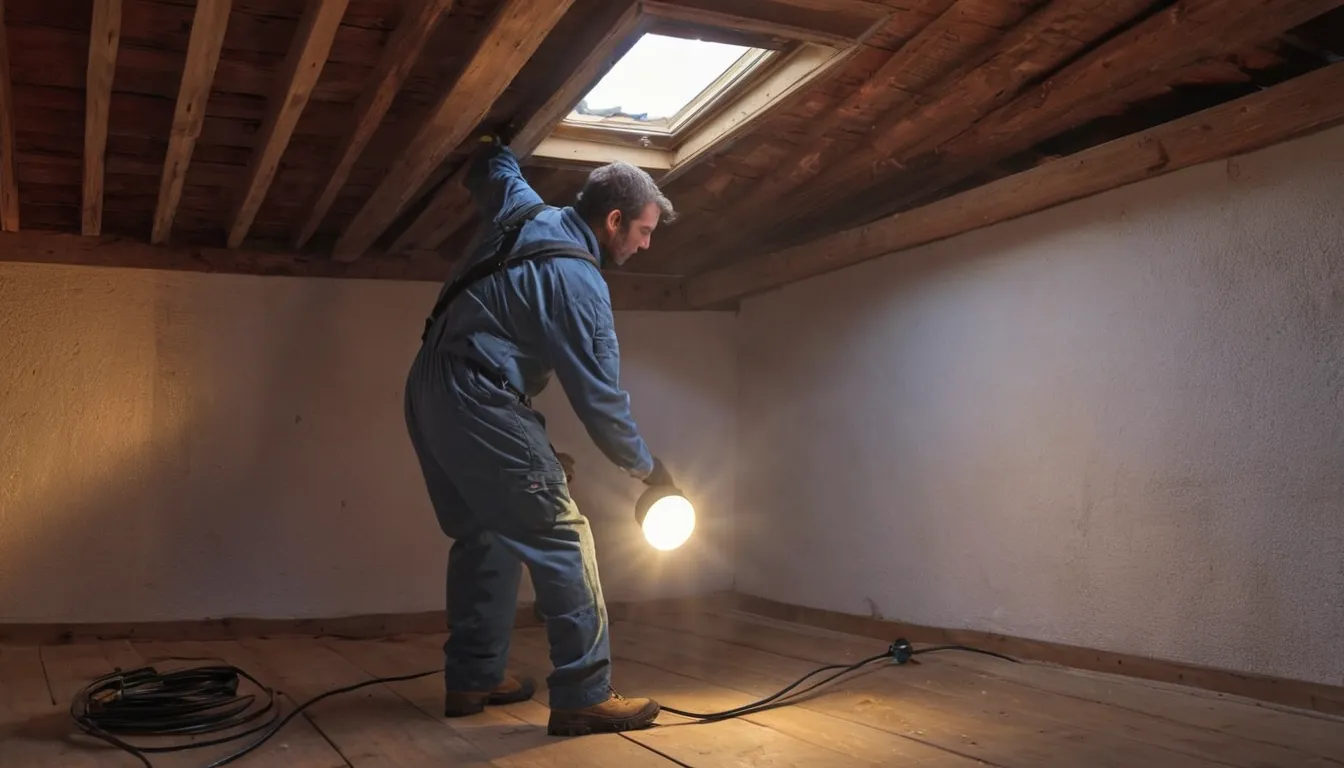
Animals love older houses. Aging siding, worn vents, gaps around pipes and past repairs give mice, rats, squirrels and raccoons easy ways in. Once inside, they chew wiring, soil insulation and breed fast. Quiet spaces like attics, crawl spaces and basements hide the damage for months.
Soccervoting Pest Control is a referral service. We do not do the removal. We connect University Park homeowners with independent providers in our network who handle residential pest control and wildlife removal. This page lists signs to check, what a visit looks like, typical costs and how to compare providers. Read it first, then request an estimate with no obligation.
Animals in the Attic or Walls? Start Here
First, identify it. Next, get a provider to confirm it. Then compare options. That order keeps you from wasting money on the wrong fix.
If you searched "exterminator near me" for a scratching sound, you are in the right place. Rodent and wildlife removal is a different job from basic ant or spider spraying.
Why Speed Matters
Time-sensitive items come first on this page. Here is why.
- Mice can have a new litter about every three weeks.
- Chewed wires are a fire risk.
- Baby wildlife in an attic can trap a mother in a panic.
- Droppings and urine soak into insulation.
Many providers can respond quickly. Request a callback to check provider availability in your area.
Urgent Signs: Check These First
- Scratching, thumping or running sounds, often at dusk or night
- Gnaw marks on wood, wires or stored boxes
- Droppings that look like rice grains or larger pellets
- A musty or sharp smell in a closet, attic or vent
- Grease marks along baseboards
- Pet fixated on one wall or door
Write down where and when you notice each sign. Providers use these notes to plan the visit.
Check the Old Spots
Older houses have predictable weak points. Look at these first:
1. Rooflines, soffits and ridge vents with loose or rusted screens 2. Gaps where pipes, cables or gas lines enter the house 3. Crumbling foundation mortar and old basement windows 4. Dryer vents and bath fans with missing flaps 5. Chimney tops without a cap 6. Spots where earlier repairs used mismatched patches
Frame houses from many decades, bungalows and ranch homes all show wear in different places. A provider will know where to look.
Common Animals Providers Handle
Mice and Rats
Mice squeeze through gaps the size of a dime. Rats need about a quarter-sized hole. Both love basements, wall voids and garages.
Squirrels and Chipmunks
Squirrels chew into attics through soffits and vents. They are loud in the morning.
Raccoons and Opossums
Raccoons tear vents and flashing. They often nest in attics or chimneys.
Bats
Bats are often protected, and timing rules may apply. Removal usually means sealing the entry after they leave, not trapping.
Not Sure It Is a Rodent?
Some signs point elsewhere. Small bites after waking may call for bed bug treatment, which is a separate job. Tiny droppings with sawdust near wood could be insects. A good inspection sorts this out.
How Rodent and Wildlife Removal Works
1. Inspect. The provider checks the attic, walls, crawl space, roof edges and basement. 2. Identify. They name the animal from droppings, tracks and damage. 3. Plan. They explain traps, one-way doors, baits or exclusion work. 4. Remove. Animals are caught or guided out. 5. Seal. Entry points get closed with sturdy materials. 6. Follow up. Many providers recheck traps or repairs.
Humane Handling and Local Rules
Rules differ by state and town. Some animals cannot be moved or killed at certain times of year. Baby season can change the plan. Ask the provider how they handle nesting mothers and what local rules apply.
- Ask about humane methods.
- Ask where animals are released, if at all.
- Ask what happens if young are found.
Sealing Matters More Than Trapping
Trapping stops today's animals. Sealing stops the next ones. A plan with no repair step often fails within months. Look for quotes that list the holes to be closed and the materials used.
Cleanup and Damage
After removal, ask about these items:
- Droppings cleanup and sanitizing
- Wet or flattened insulation
- Chewed wiring, which an electrician should check
- Odor control
Some policies may cover sudden damage. Check your policy. Providers can often help document damage for a claim.
Know Your Options
- Trapping and removal fits a small, active problem.
- Exclusion work closes entries and prevents repeats.
- Baiting for rodents is used with care around pets and kids.
- Cleanup and repair handles the mess left behind.
Most jobs mix two or three. Compare before you commit.
Spring Flooding and Cold Snaps
Our region has deep frost, spring flooding and hot, humid summers. Cold drives mice and rats indoors in fall. Flooding pushes them out of burrows and into basements and sump pits. Hail damage on roofs can open new gaps. Check after big storms.
Choosing a Removal Provider
- Ask if they inspect before quoting.
- Get the quote in writing.
- Ask what is covered: entry sealing, cleanup, repeat visits.
- Ask about licensing and insurance in your state.
- Compare at least two quotes.
Keeping Animals Out
1. Trim tree limbs back from the roof. 2. Store firewood and bins away from walls. 3. Use metal covers on vents and chimneys. 4. Keep trash lidded and pet food sealed. 5. Seal small gaps with steel mesh, not foam alone. 6. Check attic and basement every season.
Next Step
Describe what you hear and where. Request an estimate. A provider in our network will take it from there.
What's Included
Attic and wall inspection
A provider checks attic, walls, crawl space and roof edges to find where animals enter and nest.
Animal removal
Traps, one-way doors or baits are chosen based on the animal and local rules.
Entry sealing
Gaps, vents and chimney tops get sturdy covers to stop repeat visits.
Cleanup options
Many providers offer droppings cleanup, odor control and insulation replacement, quoted separately.
Typical Costs for Rodent and Wildlife Jobs
Prices vary by animal, home size, roof height and how many entry points exist. These are typical U.S. ranges only. Always get a written quote before work begins.
| Service | Typical range | Notes |
|---|---|---|
| Inspection | $75 – $300 | Some providers credit it toward the job |
| Mouse trapping program | $150 – $600 | Often includes follow-up visits |
| Rat control | $300 – $1,000 | Burrows or sewer access raise the price |
| Squirrel or raccoon removal | $250 – $900 | Nesting young can add cost |
| Exclusion and sealing | $300 – $2,500 | Older roofs and siding take longer |
| Attic cleanup and insulation | $1,000 – $5,000 | Depends on square footage and damage |
How It Works
Describe the problem
Share what you hear, see or smell, where it happens and when. Photos of droppings or damage help too.
Request an estimate
Send the form, or request a callback to check provider availability. A local provider will contact you.
Compare the options
Review written quotes. Look at methods, sealing, cleanup and follow-up visits.
Approve and schedule the work
Pick the provider that fits your needs, confirm the plan and set a visit time.
Why Call Soccervoting Pest Control
Clear steps, no pressure
You see the order of steps first, then decide whether to move ahead.
Older-home focus
Tips are built around aging materials, past repairs and hidden gaps that newer homes rarely have.
Independent providers
Providers in the network do the work, so you can compare their quotes and methods.
No obligation
Requesting an estimate costs you nothing to ask about and does not commit you to hire.
Other Services
Need rodent & wildlife removal in University Park?
Describe the problem and request an estimate. A local provider in our network will follow up. There is no obligation to hire anyone.
No obligationRodent & Wildlife Removal FAQ
How do I know if I have mice or rats in my house?
Listen for scratching at night and look for droppings, gnaw marks and grease trails. Mouse droppings are small like rice. Rat droppings are larger. A provider can confirm the animal during an inspection.
Can I seal holes myself before calling someone?
Not yet. If animals are still inside, sealing can trap them and cause worse damage or odors. First, have a provider confirm the animal is gone, then close the entries with sturdy materials.
Does home insurance cover animal damage?
It depends on your policy. Some policies may cover sudden damage, but many exclude long-term infestations. Check your policy, and ask the provider to help document damage for a claim.
Tell us what happened
Describe the problem and request an estimate. A local provider in our network will follow up. There is no obligation to hire anyone.
No obligation